
Understanding Wisdom Teeth Extractions
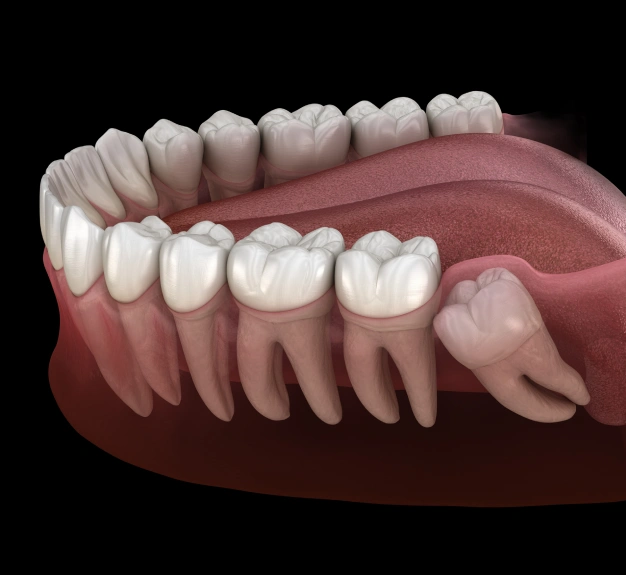
Wisdom teeth are the last set of molars to emerge, usually in late adolescence or early adulthood. While some people experience no problems, many wisdom teeth grow at awkward angles, press against neighboring teeth, or remain partially or fully trapped beneath the gums. These issues can lead to pain, infection, crowding, and even long-term bite problems.
At TriDental, we provide gentle, precise wisdom teeth care for patients throughout Waldorf and nearby communities. Our goal is to ensure a safe, comfortable procedure and smooth recovery.
The Wisdom Teeth Extraction Process
The process begins with a thorough dental exam and digital X-rays to evaluate the position and condition of your wisdom teeth. Dr. Reddy and Dr. Shamsi will review your images, explain whether extraction is recommended, and answer all your questions so you feel confident in your care plan.
On the day of the procedure, local anesthesia or sedation may be used depending on your needs and the complexity of the extraction. Fully erupted teeth are usually straightforward to remove, while impacted teeth may require a small incision. After the extraction, gauze is applied to control bleeding, and detailed at-home care instructions are provided. Most patients can resume light daily activities the following day.
Signs You May Need Wisdom Teeth Removal
Wisdom teeth problems often begin silently. Common signs include:
- Pain or soreness at the back of the mouth
- Jaw stiffness or swelling
- Red, tender, or inflamed gums
- Persistent bad breath or unpleasant taste
- Shifting or crowding of nearby teeth
If you notice any of these symptoms, scheduling an evaluation promptly can make removal easier and support faster recovery.
Benefits of Wisdom Teeth Removal
Timely removal of problematic wisdom teeth can protect your oral health for years to come. Benefits include:
- Preventing crowding and shifting of neighboring teeth
- Reducing the risk of gum infection and tooth decay
- Preserving bone and gum health around molars
- Relieving ongoing jaw pain or pressure
For many patients, early removal is a preventive step that avoids more complex dental problems in the future.